by Michelle Dwyer | Mar 27, 2013 | Blog, Health, Nutrition, Vegetarian/vegan
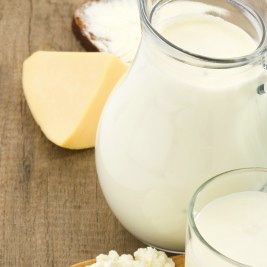
Many of you know that this whole new journey began for me when I got sick and found out I had a dairy sensitivity. You also may know that I love cheese. To read more about my personal experience, please check out my article at MindBodyGreen: “Why A Cheese-Lover’s Dairy Allergy Wasn’t The Apocalypse”
I received a lot of really positive responses from people who have gone through something similar. It was a great chance to share my story.
MindyBodyGreen has a lot of other great articles about wellness and yoga. Check them out!

by Michelle Dwyer | Mar 20, 2013 | Blog, Health
Spring has arrived! And it is one of my favorite times to go to the farmers’ market. Here in the San Francisco Bay Area we are blessed with amazing farmers’ markets. We are so lucky to live amid such fertile and abundant farmland, just hours within our home. That means on a weekly basis we have access to amazing local, seasonal, and often organic produce.
It seems that each week at the market holds a new surprise. Has the green garlic arrived yet? Look at all those fava beans! What on earth to do I do with nettles? All three of these items were something new that my husband and I tried in the last few years just based on curiosity of seeing them at the farmers’ market. Now we look forward to making our nettle pesto sauce over locally made ravioli with sautéed green garlic and fava beans on the side.
Eating food when it is in season is such a treat. I really appreciate not only the wonderful fresh flavors of the food, but also realize that what I’m eating is a transitory treat to be savored.
Going to the farmers’ market is a treat for the senses—the smell of ripe strawberries in summer, the feel of the protective exteriors of squash in the fall, the luscious orange glow of citrus in the winter in varieties too many to name, the sweet/sour burst of flavor of cherries, and perhaps most importantly, the voice of the farmer who brought all this abundance to us.
One of the best aspects of the farmers’ market is being able to talk to the people involved in cultivating the produce, so you can ask questions and create a relationship with them. It not only makes the purchasing of your food a more personal experience, but also gives you the opportunity to have a voice and a choice in your food.
What are you most looking forward to seeing at your market this spring?

by Michelle Dwyer | Mar 11, 2013 | Blog, Recipes
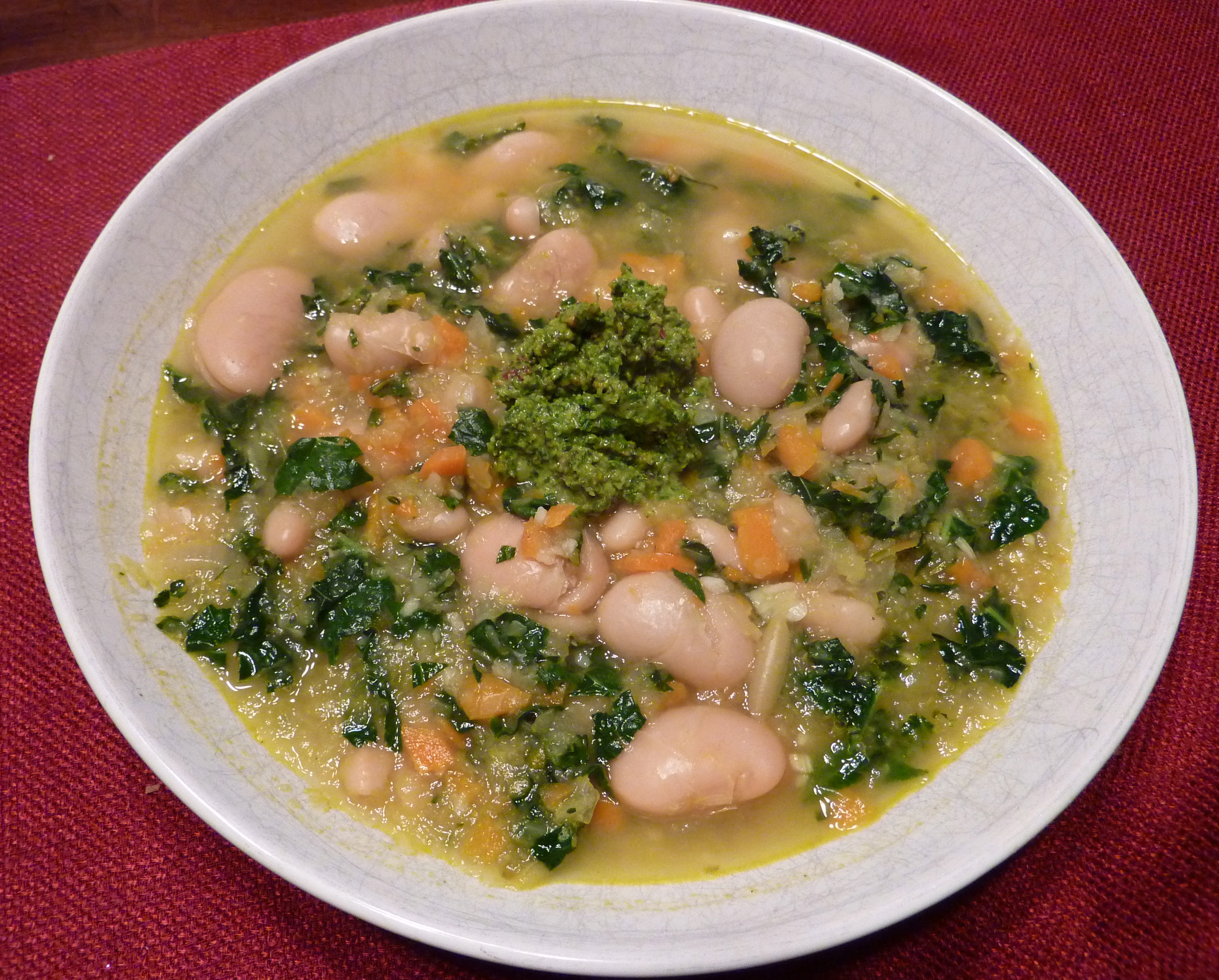
By Rebecca Katz. Recipe from One Bite at a Time.
Ingredients:
1-2 cans of cannellini or great Northern white beans
2 tablespoons extra virgin olive oil
1 3/4 cups finely chopped yellow onion
1 /4 teaspoon sea salt
1 ½ cups peeled and diced carrots
1 ½ cups peeled and diced celery
1 tablespoon diced shallot
2-4 tablespoons finely chopped garlic
1/4 teaspoon fresh thyme, or 1/8 teaspoon dried thyme
1/8 teaspoon fresh sage, or a pinch of dried sage
1/8 teaspoon fresh oregano, or a pinch of dried oregano
8 cups broth
2 tablespoons fresh lemon juice
1 bunch of dino kale or Swiss chard, stemmed and chopped into small bite‐size pieces
Cooking directions:
- In an 8-quart pot, heat the olive oil over medium-high heat. Add the onions and a pinch of salt. Sauté until golden.
- Add the carrots, celery, shallot, and 1/4 teaspoon salt. Sauté for 3 minutes more.
- Add the garlic, thyme, sage and oregano and sauté 2 minutes more.
- Deglaze the pot with 1/4 cup of the broth. Allow the liquid to evaporate.
- Add 6 cups more broth, and the beans, and simmer for 20 minutes. Add more broth if necessary to achieve the desired consistency.
- Add the greens and a pinch of salt and simmer until the greens have wilted.
- Taste! You may need to add a squeeze of lemon juice or a final pinch of salt. Serve in soup bowls with a dollop of pesto and a sprinkle of Parmesan cheese.
Serves 6
For a seasonal twist, add diced delicate or butternut squash to the carrot, celery, and onion mixture.
by Michelle Dwyer | Mar 8, 2013 | Blog, Health
A good health coach . . .
- supports you to help you reach your health goals.
- is a compassionate listener.
- accepts you where you are right now and helps you get to where you want to be.
- helps clear away the “clutter” to help you focus on what you need to do to be healthier, happier, stronger, clearer, more vibrant and more full of energy.
- offers individualized attention and suggestions, because we are not all the same.
- helps you break down big goals into smaller, more manageable steps.
- offers lifestyle management support and addresses many aspects of your life such as sleep, nutrition, exercise, stress management, relationships, areas of support, and challenges you are facing in meeting your health goals.
What a health coach does NOT do:
- A health coach is not there to tell you what to do. You drive the focus of the sessions, the pace, and the nature of your goals.
- A health coach does not judge. Judgment does not help people reach their goals. Guilt and shame are huge “energy sucks” and are never motivating. Health coaches are there to offer helpful, positive and encouraging support.
- A health coach does not diagnose. We are not doctors or physicians, although we may work closely with your health care team to support you in your health goals (of course, only with your written permission). Health coaches can help you make the necessary lifestyle or dietary changes after a physician’s diagnosis (for example for lowering your risk of heart disease or managing blood sugar).
- Health coaches are not licensed by the state of California, so it is important to find out about their education, training, referrals and credentials.
What to read more? Check out this interesting article “Winning the Nutrition Game, With Help From a Coach” from the New York Times about health coaches.