
by Michelle Dwyer | Aug 13, 2013 | Blog, Health
We all experience stress on a daily level. Usually most of our stress is the chronic stress of annoyances like those nagging “to do” lists always in our minds, the hassles of driving, or the bombardment of information and technology. Current research is showing that daily yoga, if even for a few minutes, can help alleviate that chronic stress and leave not only our minds clearer, but our bodies healthier.
The physical effects of stress are numerous—blood pressure rises, the pulse quickens, digestion is adversely affected, and by the end of the day, we are often exhausted physically and mentally. Stress can bring on headaches, migraines, asthma, and even coronary heart disease. The long-term effects of this stress can also lead to allergies, susceptibility to colds, insomnia, and cancer (Seaward, 2011). Managing our stress can literally save our life, and yoga is one of many possible techniques.

Yoga is an ancient practice that has gained new popularity in the United States, and numerous new studies are finding that yoga indeed reduces stress. A study published in BioPsychoSocial Medicine (2011) found that “ongoing yoga training reduces the level of mental disturbance, anxiety, anger, and fatigue not only over the short- or intermediate-term, but also over a long term.” This study also found that long-term yoga reduces anxiety, anger and fatigue. Another study published in the Scandinavian Journal of Work, Environment & Health (2011), found that those doing yoga showed “marked improvements in feelings of clear-mindedness, composure, elation, energy, and confidence. In addition, the yoga group reported increased life purpose and satisfaction, and feelings of greater self-confidence during stressful situations.” The researchers of this study went so far as to suggest that employers offer yoga classes in the workplace as a way to manage stress effectively.
The more we make relaxation techniques like yoga a daily part of our practice, the easier it is to relax, unwind and return to homeostasis or balance. Having relaxation tools means we are more likely to be able to “roll with the punches” of the day with a little more grace, a lot more humor, and greater sense of integrity. As our yoga practice become more and more part of our daily lives, we will feel a greater sense of ease, be able to recover from a stressful situation more quickly, and that chronic nagging feeling will start to dissipate. Also, the more we practice these kinds of management techniques, the more easily we are able to recognize when we are out of balance and then we can take action to return to homeostasis sooner before the depleting effects of chronic stress have a chance to set in.
References
Hartfiel, N., Havenhand, J., Khalsa, S. B., Clarke, G., & Krayer, A. (2011). The effectiveness of yoga for the improvement of well-being and resilience to stress in the workplace. Scandinavian Journal of Work, Environment & Health, 37(1), 70-76.
Seaward, B. L. (2011). Essentials of Managing Stress (2nd ed.). Sudbury, MA: Jones and Bartlett.
Yoshihara, K., Hiramoto, T., Sudo, N., & Kubo, C. (2011). Profile of mood states and stress-related biochemical indices in long-term yoga practitioners. BioPsychoSocial Medicine, 5. doi:10.1186/1751-0759-5-6
by Michelle Dwyer | Jul 18, 2013 | Blog, Health, Nutrition, Recipes, Vegetarian/vegan
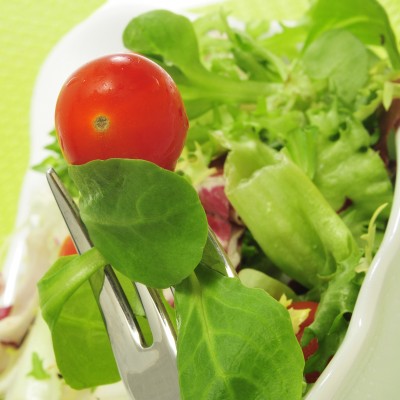
Summertime is a great season to be enjoying all the fresh fruits and vegetables at the markets. Because it is usually hot, summer is also a great time to eat foods like fresh vegetables and fruits that are both cooling and hydrating. Salads can be great way to eat these, but how do you eat and prepare salads if you are on the go?
Well, I have to share one of favorite lunch ideas, and really, this is one I just can’t stop sharing! Have you heard of salad-in-a-jar? The basic concept is to make your salads ahead of time to save time in the week, but the idea is to use a mason jar to keep the contents separate until you are ready to mix them together. The dressing goes on the bottom and the greens on very top to keep them from getting wilted and wet. Brilliant!
You can really be creative with this idea, but my favorite recipes to get started are found on this great recipe blog called The Yummy Life by Monica Matheny. I love that she starts with cooked quinoa at the base, so you get some great protein and fiber in your salad and the salad dressing gets soaked up there. The recipes are also all gluten-free and vegan. Lastly, not only are the recipes yummy and varied, but she also has some excellent preparation tips.
Take this concept and run with it! The variations and possibilities are endless. You could use brown rice instead of quinoa or no grain at all. What some meat in there?—Then add some grilled organic chicken or smoked wild salmon. I also like to vary the nuts I add to my salads, so one day it will be walnuts and another pistachios. The vegetable choices are endless—green beans, celery, carrots, shredded beets—you name it! You could even add some seasonally fruit like berries or peaches for some added flavor. Lastly, I love that you can make these ahead of time and be ready to grab and go the rest of the week!
Give it a try and let me know what you think!
And for other salad-in-jar inspirations, check out the following:
http://backtoherroots.com/2013/04/09/salad-in-a-jar-101/
http://www.salad-in-a-jar.com/how-to-make-salad-in-a-jar-2
http://kblog.lunchboxbunch.com/2012/06/vegan-salad-in-jar-make-ahead-bliss.html
by Michelle Dwyer | Jul 10, 2013 | Blog, Health, Nutrition, Recipes, Vegetarian/vegan
You may be seeing many fresh herbs at your farmers’ market, local store, or even in your own garden and be wondering what to do with them. Herbs are such an easy way to add not only fresh flavor and taste to your recipe, but they are also packed with nutrition.
Three things I really love about fresh herbs are . . .
- Fresh herbs are VERY nutritious, providing valuable phytonutrients, antioxidants, and anti-inflammatory compounds that both aid digestion and add great flavor!
- They are very EASY to add to any dish from homemade recipes to canned soup!
- Also, most herbs are very easy to grow, even in a small space. Then you can just pinch off or cut what you need. Indeed, this is the FRESHEST way to have your herbs!
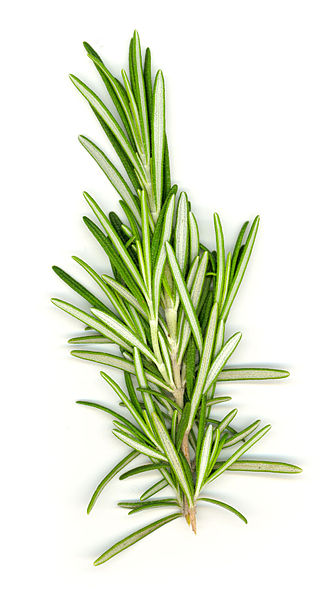
Did you know that parsley is a great source of vitamin C? Or that rosemary and dill are great for grilled foods because of their anti-carcinogenic effects? Herbs have many healthful effects on our bodies and they taste great too!
Here are three great recipes highlighting herbs:
Orange, Radicchio and Oregano Salad
Ginger-Rosemary Lemon Drop Cocktails
And from the Post Punk Kitchen, a delicious chimichurri sauce that is great on meats, tempeh or tofu, and grilled vegetables!
Ingredients:
- 4 cloves garlic
- 1 cup loosely packed fresh cilantro
- 1 cup loosely packed fresh parsley
- 1 tablespoon of fresh oregano (or 1 t. dried)
- 1/4 cup red wine vinegar
- 2 tablespoons olive oil
- 1/2 teaspoon red pepper flakes
- 1/2 teaspoon salt
- 3/4 cup veg broth
Directions: Simply blend all of the sauce ingredients in a food processor until relatively smooth. Use as a marinade and sauce! Can also use basil, dill or mint as the fresh herbs.
Enjoy and let me know your favorite ways to fresh herbs in your cooking!
by Michelle Dwyer | Jun 26, 2013 | Blog, Health, Nutrition
As if there weren’t already enough reasons to limit your intake of fast food, now a recent study links that hamburger and fries from the drive-through to an increased risk of asthma, eczema, and rhinitis in teens and children. According to the very extensive study, “Eating fast food meals at least three times a week was linked to a 39% increased risk of severe asthma in teenagers and a 27% increased risk among children between ages six and seven” (Sifferlin, par. 5).
The good news? Eating fruits can help reduce the incidence of these same symptoms! The study found an 11% decrease in severe symptoms in teens and 14% decrease in kids when they ate three or more servings of fruit.
So pack those apple slices and almond butter for a snack, throw that delicious mandarin orange into the lunch box, and serve fruit as dessert! Your children will thank you for it.

by Michelle Dwyer | Jun 20, 2013 | Blog, Health
“Everybody needs beauty as well as bread, places to play in and pray in, where nature may heal and give strength to body and soul.”–John Muir
John Muir has long been a hero of mine. He knew how to truly embrace life and felt that nature was a place to help us reconnect. He knew how important nature is to our heart and soul. Health is not just about the food we put into our bodies or how much exercise we get. Nature is healing to our bodies and our minds. For me nature has always been a sacred place for me, as I know it was for Muir too.
I just got back from a few days in the sequoias–the giant, ancient trees of the Sierra Nevadas of California. These trees are hundreds of years old (some even thousands) and remind us of the strength found in grounding ourselves and the beauty of longevity.
What are the natural places where you feel you can both “play” and “pray”? I hope everyone is enjoying their summer so far!