by Michelle Dwyer | Apr 3, 2014 | Blog, Health, Nutrition, Vegetarian/vegan
I love Michael Pollan’s advice: “Eat food. Not too much. Mostly plants.”
Want some easy ways to put this into practice? Here are 12 tips for eating more plants and less refined foods:
- Try replacing coffee with green or herbal tea. Green tea is full of anti-inflammatory phytonutrients and herbal tea counts towards your water intake for the day! If you are going to drink coffee, be sure it is organic, limit it to one cup a day (or even just to the weekends) and do not add any sugar.
- Reduce chips or crackers and replace them with almonds or walnuts for an afternoon snack (about ¼ cup) or veggie sticks with hummus.
- Add spinach to your meal—it is easy to get organic prewashed baby spinach in most grocery stores. Chop it up, sauté it and add it to almost any meal!
- If you are going to add a salad to your meal, be sure to choose the darker leafy greens and be mindful with the amount of salad dressing and what’s in it—better yet, make your own! Also, add beans or nuts/seeds to a salad for added fiber and protein.
- Avoid products with added sugar or hydrogenated oils—read the ingredients label! You would be surprised where added sugar shows up.
- Choose healthy fats—coconut oil is very good for sautéing, olive oil is good for salads, dressings and lower heats, and flaxseed is great to add to smoothies or take straight (but should always be refrigerated and never heated). Nuts, seeds, olives and avocados are also good sources of healthy fats.
- Buy organic when possible and see the Dirty Dozen and Clean Fifteen to make the best choices if buying conventional (you can also read more HERE from my previous blog post on why it makes sense to buy organic).
- Smoothies are a great meal or snack: choose a quality protein powder and add berries, greens, and chia or flax seeds. See my blog post HERE on quality protein powders and a smoothie recipe!
- Think portions: Remember that a serving of whole grains or pasta is ½ cup, a serving of nuts is ¼ cup, and serving of vegetables is usually 1 cup. It is best to make half your plate vegetables!
- Try cooking a bigger healthy meal on Sunday so that you have leftovers for the week for either lunch or dinner. Soups and stews are great options (like this recipe for Tuscan Bean Soup with Kale)
- If you are going to eat soy, only sparingly eat the processed soy products
 like soy sausages and burgers as well as soy milk. Instead, opt for tempeh or miso. Tofu can also be eaten in moderation for some people. Always select organic soy products since most conventional soy is genetically-modified and high in pesticides. My absolute favorite tempeh can be found HERE. New to tempeh? Check out the Post-Punk Kitchen’s great recipes HERE.
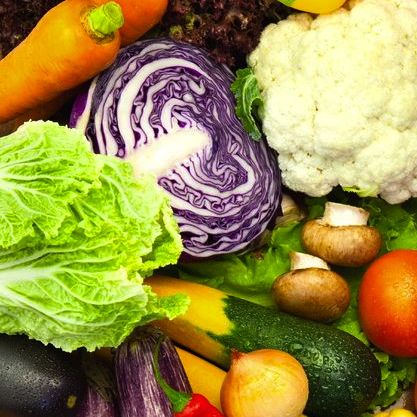
- Eat a rainbow of fruits and vegetables every day! Variety is really good for our bodies and the rainbow of colors in foods contain powerful phytonutrients to give us optimum health. For example, in a stir fry add red bell pepper, carrots, yellow squash, broccoli, spinach, cauliflower, purple cabbage, garlic and onions.

by Michelle Dwyer | Mar 16, 2014 | Blog, Health, Nutrition
You may have heard about the benefits of an alkalizing diet, but maybe you didn’t exactly know what that meant, why it was important, or how to achieve it. Or maybe you just thought acid and alkaline were words from your tenth grade chemistry class. Hopefully this post will take a bit of the mystery out of the effects of acid or alkaline foods on our bodies.
 We all know that eating foods rich in vitamins, minerals, antioxidants, phytonutrients, and fiber is good for our bodies. We also know to look for whole food sources of grains and complex carbohydrates, healthy fats, and quality proteins. And since we are all biochemically different and have different needs at different stages of our life, what kinds or foods and how much will differ from person to person. All of this is really about balance—eating a variety of foods, in a rainbow of colors, to achieve balance in our bodies. Examining the acid-alkaline balance of our foods in just another tool to help us achieve this goal.
Our body tissues and blood are slightly alkaline. Stressors—in the form of infections, pollution, improper digestion, and a diet high in acidic foods—can all lead to more acid in the body (Haas, 2006). According to The Joy of Food: The Alkaline Way (2008-2009), too much acid in the body is harmful because “the body links these excess acids with alkaline minerals . . . and excretes them. Over time, this can deplete the body of needed minerals and lead to a build-up of excess acids in your cells. This reduces the efficiency and effectiveness of your cells and tissues” (p. 5). In order to counteract and prevent this build-up of acid from occurring in our cells, it is beneficial to include more alkaline foods in our diet.
The body needs the acid-buffering minerals of potassium, calcium and magnesium in order to keep our bodies at a balanced pH (Jaffe and Donovan in The Joy of Food: The Alkaline Way, 2008-2009, p. 15). Our bodies function best in an alkaline environment, and we need these mineral-buffering reserves from an alkaline diet to help us counteract the effects of acid in our bodies: “A diet that is predominantly alkaline forming is essential to the maintenance of sustained health” (p. 15). So what does this mean? What foods are alkaline or acid?
 When looking at whether a food is considered alkaline or acidic, we are looking at how the food metabolizes in the body. For example, although lemon juice itself is acidic, it becomes alkalizing once it is metabolized by the body. Cow’s milk, on the other hand, is alkaline itself but becomes acidic in the body. Sound a little confusing? It can be at first but one thing that helps a lot is a chart that lists alkaline and acidic foods. There are many available on the Internet but I like this one created by Dr. Russell Jaffe, one of the leaders in looking at the role of acid in our bodies, on Dr. Liz Lipski’s website.
In general, fresh fruits and vegetables tend to be alkaline. There are a few exceptions like tomatoes, plums, cranberries, figs and carrots. Acidic foods are meats, eggs, beans, and dairy. It is especially important to pay attention to the fact that processed foods full of refined flour and sugar, hydrogenated oils, and salt are all acidic.
Does this mean we need to completely avoid all acidic foods? No, not all of them—eggs, beans, carrots, and tomatoes are all part of a healthy diet, but they need to be in balance with more alkaline foods. The most important step we can take to reduce the acid in our bodies is to avoid processed and refined foods. Elson Haas (2006), a leader in integrated healthcare and nutrition, suggests that a diet that is about 70% alkaline foods will “keep the system functioning optimally, provided we get the balance of vitamins and minerals we need, as well as the essential fatty and amino acids to perform the required fat and protein functions” (p. 394-95). The Joy of Food: The Alkaline Way (2008-2009) recommends that 80% of foods be alkaline for health restoration and 60% alkaline for maintaining health (p. 7).
Here are some easy ways to alkalinize your system:
- Add the juice of lemon, lime or raw apple cider vinegar to 4-6 ounces of water and drink before or with meals
- Add lentils, ginger, yams or sweet potatoes to your diet
- Aim to eat at least two cups of greens a day, like kale, collards, turnip greens, or endive
- Add seaweeds and kelp to your diet. You can eat these as roasted seaweed snacks or add kombu to soups (also helps with digesting beans)
- Drink Kona coffee instead of regular coffee. Kona coffee is still acidic but less so than other coffee beans
- Use ghee instead of butter
What you do NOT need to do is invest any money in alkaline water. For a clear explanation of why you do not need alkaline water, read Dr. Weil’s response here.
What questions do you have about acid/alkaline balance?
References
Haas, E. M. (2006). Staying Healthy with Nutrition. Berkeley, CA: Celestial Arts.
The Joy of Food: The Alkaline Way [Pamphlet]. (2008-2009). RMJ Holdings.
by Michelle Dwyer | Jan 28, 2014 | Blog, Health, Nutrition
What is organic farming?
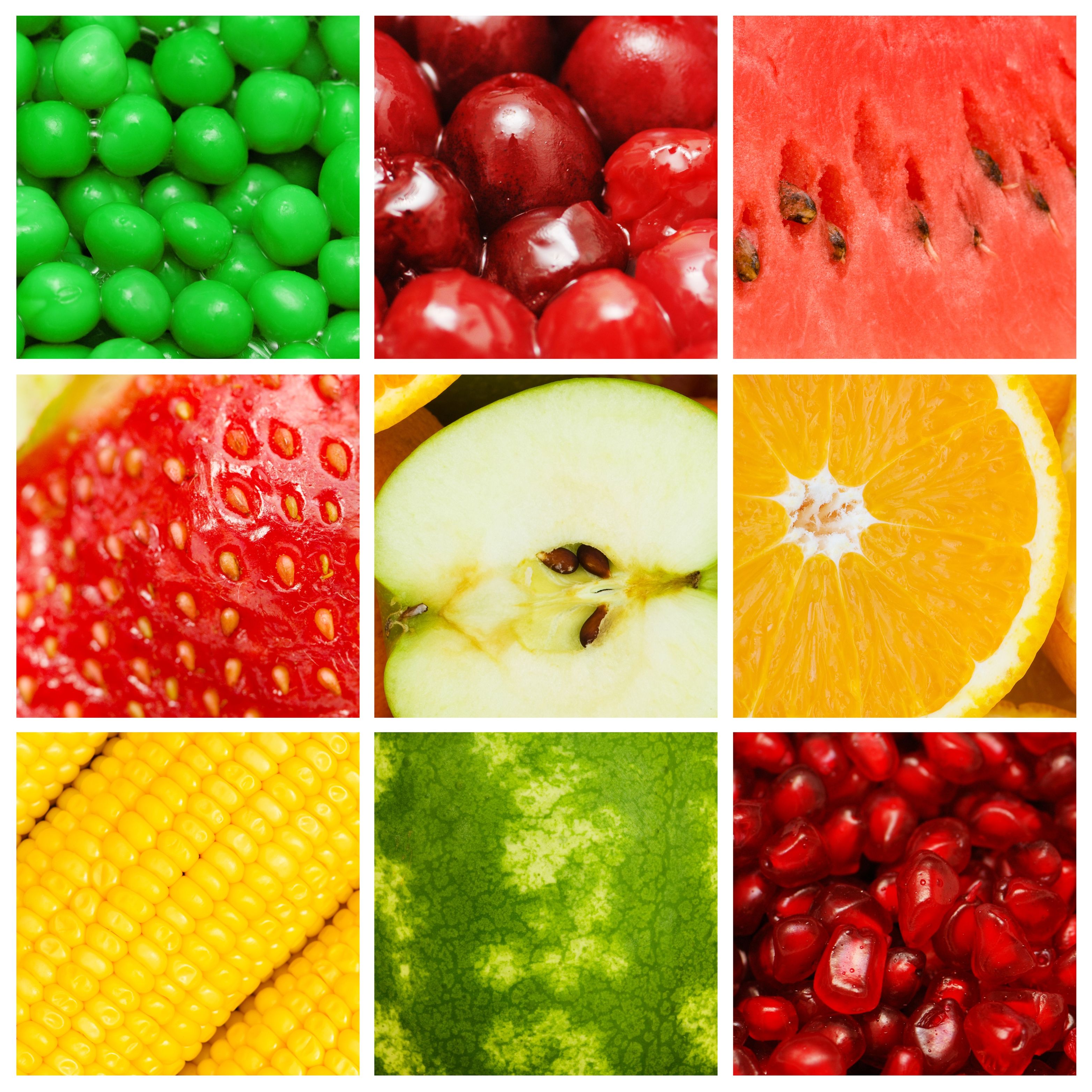
Organic farming refers to the “production of food without the use of chemical additives or preservatives” (Margel, 2005, p. 34). Organic farming practices can include age-old practices like returning nutrients to the soil through compost, allowing the field to remain fallow, winter cropping of nutrient-rich plants, using seaweeds and other natural fertilizers, using natural enemies for pest control, planting a diversity of crops rather than monoculture, creating mixed farms with crops and livestock, and working with the natural cycles of nature (p. 34-35). Organic farms work in close relationship with the land to yield produce in healthier ways—for the workers, the soil and the consumers.
 What are some of the benefits of eating organically grown food?
Some of the benefits of organic foods includes reducing exposure to harmful chemicals and “health robbing toxins,” increasing consumption of health-promoting micronutrients, safeguarding children’s health, and protecting the health of the environment (Murray, Pizzorno J. and Pizzorno L., 2005, p. 51-52). In the United states alone, “more than 1.2 billion pounds of pesticides and herbicides are sprayed on or added to our crops” and these chemicals are then absorbed into the air, water, soil and food supply (p. 47). There are many long-term health risks associated with pesticide exposure including cancer and birth defects (p. 47).
Why I personally buy organic foods:
When I personally think about buying organic, I feel the “investment” is worth it because there are so many benefits:
- The people who work the land are not exposed to harmful chemicals.
- These poisons will not end up in the water supply to contaminate not only our drinking water, but habitats for animal and plant species.
- The toxins will not end up built in my body from years of ingestion and exposure.
- Lastly, I am supporting with my dollar a set of values that honor the planet and its people.
Some general tips if you cannot always buy organic:
- Check out the Environmental Working Group’s page of the Clean 15 and the Dirty Dozen at http://www.ewg.org/foodnews. These are the 15 vegetables and fruits that are least contaminated and 12 that are most contaminated. A great resource with an available app for your phone!
- With corn and soy food products, I always recommend getting organic since these two are also the most often genetically modified. Until more research is done on the effects, I recommend avoiding genetically modified foods.
- Keep in mind that means also purchasing organic meat and dairy products since often the feed given to conventionally raised animals is genetically modified corn, soybeans and other grains.
- Since children are more susceptible to the build up of toxins and pesticide safety is not tested for humans their size, I strongly recommend that most of the food products you purchase for your children be organic.
What questions do you have about purchasing organic produce?
References
EWG’s Shopper’s Guide to Pesticides in Produce. (n.d.). Retrieved March 10, 2012, from Environmental Working Group website: http://www.ewg.org/foodnews/summary/
Margel, D. L. (2005). The Nutrient-Dense Eating Plan. Laguna Beach, CA: Basic Health Publications.
Murray, M. T., Pizzorno, J. E., & Pizzorno, L. (2005). The Encyclopedia of Healing Foods. New York: Atria.

by Michelle Dwyer | Dec 1, 2013 | Blog, Health, Special Offers
Tip #1: Drink plenty of water. The recommendation is to drink at least half your body weight in ounces, so if you weigh 150 pounds, you need at least 75 ounces of water a day. Drinking a little water with lemon or unfiltered apple cider vinegar can also help your digestion, so you can start your day with it or drink it before a meal. If you are drinking alcohol, be sure to drink two glasses of water in between each alcoholic drink. Lastly, remember that herbal teas also count towards your hydration. A cup of peppermint tea is a great way to end the evening and is soothing to your tummy!
Tip #2: Keep moving. During the busy holiday season our regular schedules can get thrown off, including our workouts. Remember you don’t need to go to the gym to be moving. Movement can be as easy as:
- Take a short walk during your lunch break
- When running errands or shopping, try walking instead or park a bit further away to get a little walking in.
- Cleaning your house counts as movement too!
- Have a 20-minute dance party at your house every evening.
If you keep moving during this holiday, you will feel stronger, better and lighter!
Tip #3: Have a plan. This will look very different for everyone, but having a plan for the next few weeks will help you stay happy and healthy. Maybe for you the plan means taking some “me time” each week to get a massage, go to yoga class, or take a walk. For others it may involve setting a plan for keeping sugar at a minimum or eating mindfully at holiday functions. Maybe you aren’t even sure where to start? That’s where I can help!
If you feel like you would like a little extra support during the next few weeks, I have a special offer just for you:
For just $75 you can get the Holiday Health Help you need to keep with your wellness goals this holiday season. This offer also makes a great gift for someone you love! I can meet in person or via phone/Skype for extra ease and convenience!
Offer good only through December 19, so BOOK ONLINE today!


by Michelle Dwyer | Nov 18, 2013 | Blog, Groups and Talks, Health, Pregnancy
I first floated in February 2012 when my friend and colleague John Balquist first opened Oakland Floats. I loved it right from the start. I walked out of the session in the magnesium salt-filled tank feeling lighter, clearer and more energized. That night I had a deep, relaxing, healing sleep that I completely aatributed to the float. Even two days later I was still feeling the positive effects: I got things done so easily and effortlessly, like I had eight arms and each was carrying out the task with ease and joy. Floating restored me to my center, allowing me to move and act from a place of balance and clarity.
If you have never floated before, at Oakland Floats you step into a tank or small room filled about 10 inches with warm water saturated with Epsom salts. According to the website, “Floatation tanks are lightless, almost soundproof tanks of warm saltwater. They remove external physical stimuli, creating a state of ‘sensory’ relaxation. Under these conditions your body has a chance to restore its natural powers of self regulation, while you simply lie back and relax. The temperature inside the tank is kept at 93.5 degrees, the same temperature as your skin. As a result, the nerve endings which cover the surface of the skin no longer perceive any sense of separation between the skin and the silky mineral solution which surrounds it. Free from all external stimulation, your body can achieve a state of relaxation which is deeper, purer and more beneficial than sleep. With no body to look after, your mind can attend to other business.”
 The first few times I floated, my mind took a little while to settle down and ease into the darkness. However, I would eventually relax and once I started to get used to being in the tank, it was really amazing to feel where I carried tension. I was floating there totally relaxed except I was clenching my jaw. I thought, “Why am I clenching my jaw?” and then released it. Floating, because it removes other sensory input like sight and sound, helped me really tune into my body and fully realize where I carried tension so that I could fully let it go.
I continued to float every few months or so and loved the peace and clarity it brought to me each time. However, just like any wellness practice, regular visits are an important part of maintaining balance, and so I decided to float three times in three weeks to see how that might effect my health and well-being.
Consecutive floats really amplified the positive effects for me. I found I was able to relax into the water more quickly each time, and I noticed right away my body would just let go. My mind was another story, of course. Boy, was there a lot of chatter in there. With nothing else to stimulate it, my mind would go into overdrive at first but then eventually it just sort of ran out of things to say. Then would come a quiet so deep, a silence so delicious.
It is so wonderful to set aside time to be in a space with no light and no sound. We are constantly bombarded, whether we conscious of it or not, with so much artificial light and sound—from our computers, TV, phone, radio, etc. It is so refreshing and relaxing to really get away from all that stimulation for a little while. Floating also has allowed me to see where I might be holding on to something that is no longer serving me and not even realize it. With all other stimuli gone, the body has time to really check-in on itself and return itself to a state of balance.
So who might want to consider floating as part of their wellness plan? Anyone who is having difficulty sleeping, feeling overwhelmed and stressed out, challenged with food/sugar addictions, suffering with joint pain, pregnant, or just needs a little time to reset and restore. I think that covers just about all of us!
If you want to check out the floatation center or learn more about ways to reduce stress and cortisol levels, please come to my free talk at Oakland Floats Tuesday, November 17 at 7 p.m.

by Michelle Dwyer | Oct 28, 2013 | Blog, Health
From my guest post on Yoga with Julie B’s blog! Julie is a Registered Yoga Teacher, Crossfitter, rock climber, foodie, and lover of life. She very kindly posted the following on her great yoga blog.
There are so many wonderful reasons to practice yoga. I personally have practiced yoga for greater flexibility, to increase my strength, to complement my other physical activities like dancing or rock-climbing, and for an amazing workout in itself. In my previous post “Yoga for Stress Management,” I addressed some of the great research out there on the many benefits of yoga for managing our stress as well. So how exactly does yoga help with our stress? It is all about lowering those cortisol levels!
What is cortisol? It is our stress hormone, the one that kicks in when we face a perceived or real danger. It is what sets off a series of responses in the body that allow us to fight, escape, tend or cope with all the stressors in our lives. Although cortisol serves an important role in our bodies, chronic stress—the kind many of us experience on a daily basis—can lead to an imbalance of cortisol in our bodies. So is imbalanced cortisol a problem? According to Dr. Sara Gottfried, Harvard educated doctor and yoga teacher, chronically high cortisol can led to a multitude of health problems, including:
- Abnormal blood sugar, diabetes, and prediabetes
- Obesity, increased body fat, and metabolic syndrome in women
- Mood and brain problems, including depression, Alzheimer’s disease, and multiple sclerosis (MS)
- Delayed wound healing
- Infertility and polycystic ovarian syndrome (PCOS)
- Worsening sleep
- Bone loss in menopausal women
- Accelerated aging
- Imbalance of other hormones like thyroid, estrogen, progesterone and testosterone
We need to find healthy ways to lower our cortisol and yoga is truly one of the best things you can do for your body, mind, and spirit. How does yoga help? When you take those deep breaths, you are lowering your cortisol and adrenaline levels and increasing our oxygen flow to the brain. Inverting by putting your feet above your heart will also lower your stress responses by activating your parasympathetic nervous system. For example, the pose Viparita Karani with your feet up against the wall, is a great position to help with insomnia or calming anxiety. Practicing Yin Yoga in particular—with its focus on mindfulness, compassion, and longer held poses—can be very helpful for lower cortisol levels. In fact, Dr. Sara Gottfried specifically recommends Yin Yoga for lowering cortisol in her book The Hormone Cure (p. 113). Lastly, think of Savasana as the ultimate stress-releasing pose. The ability to truly let go at the end of your yoga routine is the culmination of the wonderful gift of yoga you have given yourself.

As I work with clients on their health and wellness goals, one pattern I see with almost everyone is the need to manage our stress more effectively. Stress management connects to our weight, our sleep, our digestion, our levels of inflammation, and our overall sense of well-being. Yoga can be one of the most effective ways to begin to bring balance back into our lives. So grab your mat and head out to one of Julie B’s amazing classes today! Your body will thank you for it.