by Michelle Dwyer | May 15, 2013 | Blog, Health, Nutrition
The thirst mechanism
Did you know that our body has a thirst mechanism that kicks into place to let us know when we need to drink more water? Our mouth becomes drier and we become thirsty; therefore, we drink more water.
The problem is that if someone is chronically under-hydrated, the body doesn’t kick in this mechanism because it is trying to conserve as much water as it can. Contrary to what you might think, as someone stays under-hydrated, the less likely the body is to signal that he is thirsty. This is obviously problematic.
The good news is that we can rehydrate ourselves and get back the thirst mechanism, but it does take some time. As a person starts to take in more hydrating liquids, the thirst sensation will reactivate and signal to the person when they need to drink more water. Our bodies are amazingly adaptable and usually are great at telling us what they need if we just listen.
Drinking Water: For those over 50!
As we get older, some of us produce less hydrochloric acid in our stomachs. The problem is that this acid helps us to break down the proteins in our food and kills any microbes that may have entered. Despite what the commercials may have you fearing, it is often NOT too much acid in the stomach causing digestive problems, but too little. Drinking water with meals can even further dilute the hydrochloric acid in your stomach. So if you think low acid may be an issue for you, try to drink only a little water with meals and drink most of your water between meals.


by Michelle Dwyer | May 7, 2013 | Blog, Health, Nutrition
The 3 simple steps to staying hydrated are:
- Fill up your water bottles at the beginning of the day and bring them with you to work, school or on your errands. That way you will know exactly how much water you are drinking in a day and will have it conveniently available.
- Adding a little lemon or cucumber to your water can give it a refreshing taste and may make it more pleasant to get the water you need.
- Next time you are hungry or tired, first drink a large glass of water . . . then see how you feel. Often when we are really just a little dehydrated.
Normally, drinking 6-8 glasses of water will keep you hydrated, but may want to consider drinking more if you . . .
- exercise
- drink caffeine or alcohol
- are taking a medication that is a diuretic (such as high blood pressure medicine)
- live in a hot climate
- eat a high protein diet
Why is it so important to stay hydrated? Water performs many essential functions in our bodies, including:
- Water helps dissolves nutrients in your body so that they can be absorbed.
- Water is key in many metabolic processes.
- Water is a component of blood, and therefore important for transporting chemicals and nutrients to your cells and tissues.
- Water lubricates your joints.
- Each of your cells is bathed in a watery fluid.
- Water carries waste materials from your cells to your kidneys so they can be filtered and eliminated.
- Water absorbs and transports heat, which helps you maintain a balanced body temperature.
- Water lubricates your food so that it can more easily be swallowed and move through our esophagus.
- Water is necessary to all parts of the digestive process.
Stay tuned for my next blog post about the thirst mechanism . . . . What happens when you no longer feel thirsty?

by Michelle Dwyer | Apr 10, 2013 | Blog, Health, Nutrition
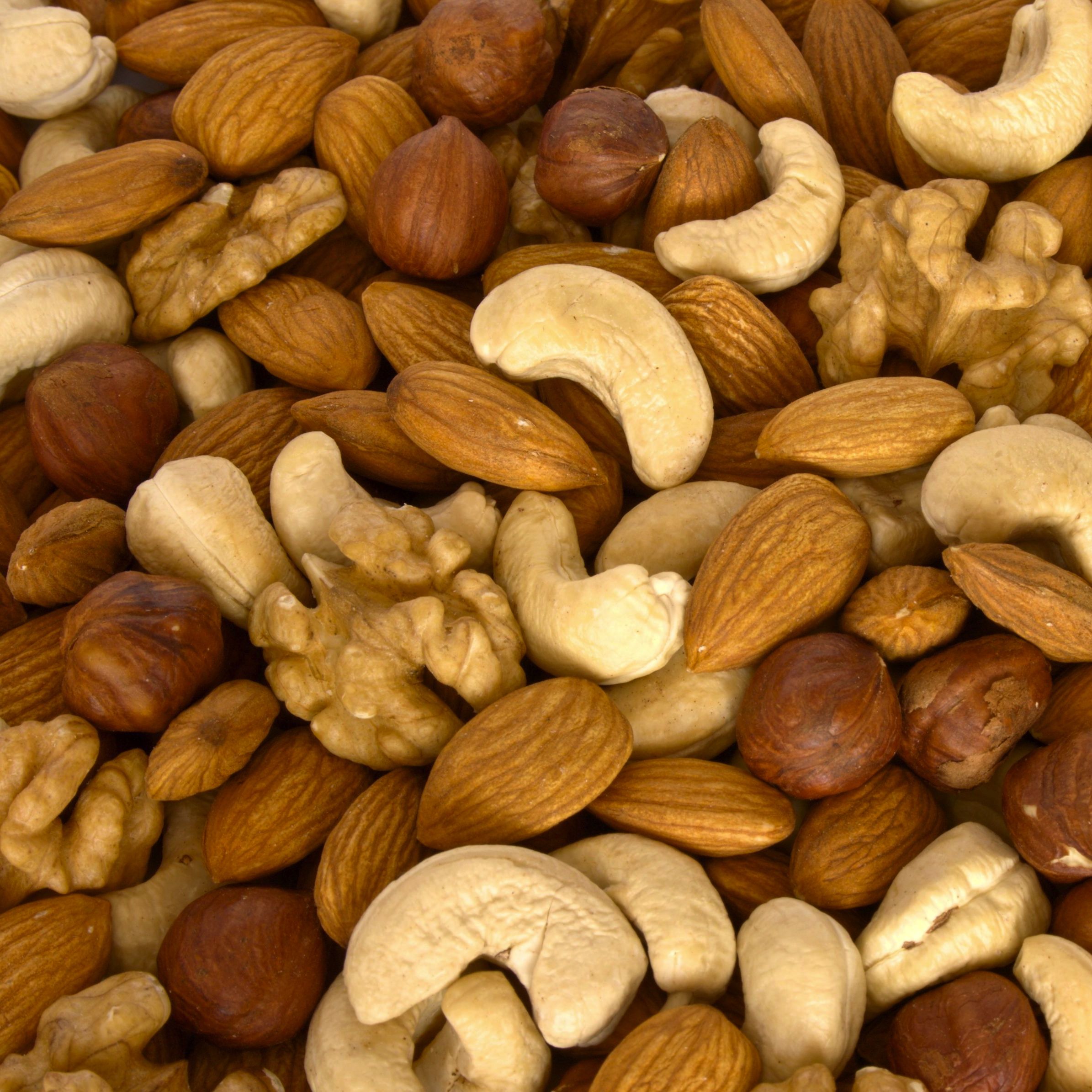
A recent study published in The New England Journal of Medicine followed over 7,000 people in Spain to examine the link between the Mediterranean diet and cardiovascular risk. The results showed that a diet rich in olive oil or nuts corresponded to about a 30 percent lower risk of having a heart attack, stroke or dying from a cardiovascular cause.
That’s great news and just confirms previous studies linking the Mediterranean diet to better health. So enjoy those healthy fats. They are good for you!
Remember that the Mediterranean diet is also rich in fish, grains, nuts, fruits and vegetables. And the diet is low in dairy products, red meat and processed foods.
So not all fats are created equal.
If you were around in the 1990s like I was, you will remember the “fat-free” craze that hit the nation. Many of us grew up with a two-fold misguided belief system about fat: 1. That all fat is bad, evil, will make you die and 2. That as long it is “fat-free” you can eat as much as you want.
How wrong we were. This mentality led to many of us overeating sugary, processed foods that in any amount were not providing us any nutrients and at these larger amounts, may have been doing us harm.
Now it is clear we need the healthy fats—like the kind found in olive oil, avocados, nuts and fish—to help us maintain a strong heart and leaner body.
Is there any kind of fat you ALWAYS need to avoid? YES! Trans-fats and hydrogenated fats found in margarine, Crisco, most fast food, and many processed baked good. For information on health consequences of trans-fats, stay tuned for my upcoming blog post!
And here is the NPR post about the study if you want to read more!
by Michelle Dwyer | Mar 27, 2013 | Blog, Health, Nutrition, Vegetarian/vegan
Many of you know that this whole new journey began for me when I got sick and found out I had a dairy sensitivity. You also may know that I love cheese. To read more about my personal experience, please check out my article at MindBodyGreen: “Why A Cheese-Lover’s Dairy Allergy Wasn’t The Apocalypse”
I received a lot of really positive responses from people who have gone through something similar. It was a great chance to share my story.
MindyBodyGreen has a lot of other great articles about wellness and yoga. Check them out!

by Michelle Dwyer | Mar 20, 2013 | Blog, Health
Spring has arrived! And it is one of my favorite times to go to the farmers’ market. Here in the San Francisco Bay Area we are blessed with amazing farmers’ markets. We are so lucky to live amid such fertile and abundant farmland, just hours within our home. That means on a weekly basis we have access to amazing local, seasonal, and often organic produce.
It seems that each week at the market holds a new surprise. Has the green garlic arrived yet? Look at all those fava beans! What on earth to do I do with nettles? All three of these items were something new that my husband and I tried in the last few years just based on curiosity of seeing them at the farmers’ market. Now we look forward to making our nettle pesto sauce over locally made ravioli with sautéed green garlic and fava beans on the side.
Eating food when it is in season is such a treat. I really appreciate not only the wonderful fresh flavors of the food, but also realize that what I’m eating is a transitory treat to be savored.
Going to the farmers’ market is a treat for the senses—the smell of ripe strawberries in summer, the feel of the protective exteriors of squash in the fall, the luscious orange glow of citrus in the winter in varieties too many to name, the sweet/sour burst of flavor of cherries, and perhaps most importantly, the voice of the farmer who brought all this abundance to us.
One of the best aspects of the farmers’ market is being able to talk to the people involved in cultivating the produce, so you can ask questions and create a relationship with them. It not only makes the purchasing of your food a more personal experience, but also gives you the opportunity to have a voice and a choice in your food.
What are you most looking forward to seeing at your market this spring?

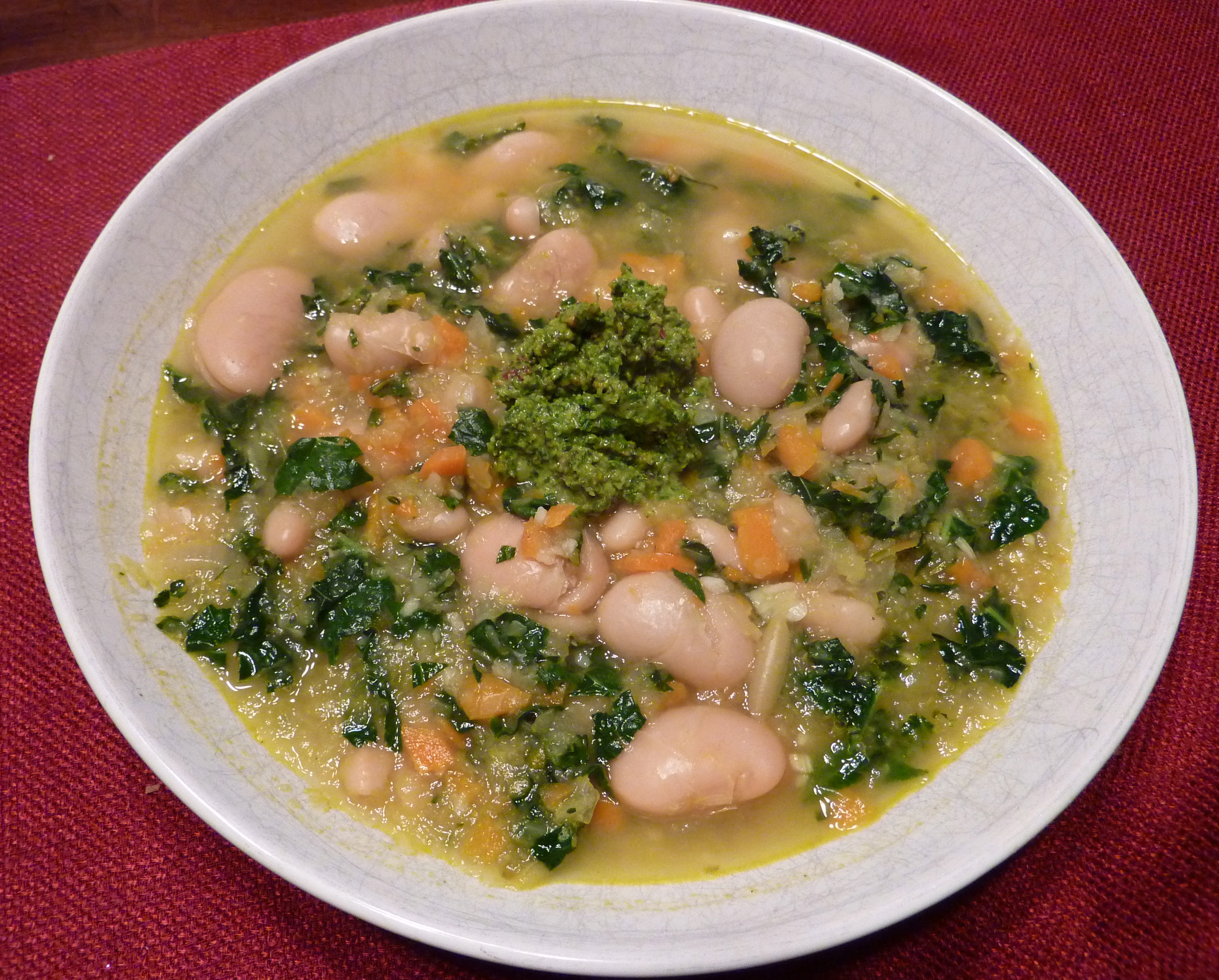
by Michelle Dwyer | Mar 11, 2013 | Blog, Recipes
By Rebecca Katz. Recipe from One Bite at a Time.
Ingredients:
1-2 cans of cannellini or great Northern white beans
2 tablespoons extra virgin olive oil
1 3/4 cups finely chopped yellow onion
1 /4 teaspoon sea salt
1 ½ cups peeled and diced carrots
1 ½ cups peeled and diced celery
1 tablespoon diced shallot
2-4 tablespoons finely chopped garlic
1/4 teaspoon fresh thyme, or 1/8 teaspoon dried thyme
1/8 teaspoon fresh sage, or a pinch of dried sage
1/8 teaspoon fresh oregano, or a pinch of dried oregano
8 cups broth
2 tablespoons fresh lemon juice
1 bunch of dino kale or Swiss chard, stemmed and chopped into small bite‐size pieces
Cooking directions:
- In an 8-quart pot, heat the olive oil over medium-high heat. Add the onions and a pinch of salt. Sauté until golden.
- Add the carrots, celery, shallot, and 1/4 teaspoon salt. Sauté for 3 minutes more.
- Add the garlic, thyme, sage and oregano and sauté 2 minutes more.
- Deglaze the pot with 1/4 cup of the broth. Allow the liquid to evaporate.
- Add 6 cups more broth, and the beans, and simmer for 20 minutes. Add more broth if necessary to achieve the desired consistency.
- Add the greens and a pinch of salt and simmer until the greens have wilted.
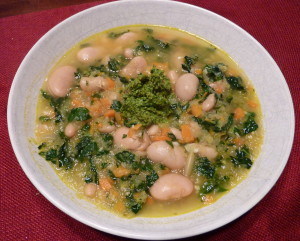
- Taste! You may need to add a squeeze of lemon juice or a final pinch of salt. Serve in soup bowls with a dollop of pesto and a sprinkle of Parmesan cheese.
Serves 6
For a seasonal twist, add diced delicate or butternut squash to the carrot, celery, and onion mixture.